


Since Roentgen’s discovery of X-rays in the late 19th century, radiation medicine has become an indispensable cornerstone of modern diagnosis and treatment. From early planar imaging to CT, MRI, and PET, physicians have gained the ability to “peer into” the mysteries of the human body.
In the past decade, with the rise of AI, big data, and molecular imaging, radiation medicine has evolved beyond image interpretation into a new era of “Radiotherapy” precision medicine. Global pharmaceutical giants—such as Pfizer, Novartis, and Eli Lilly—have heavily invested in radiopharmaceuticals and nuclear medicine platforms, driving a new chapter from tumor localization to targeted therapy.
Integrating Radiotherapy and Immunomodulation:
A New Blueprint for Radiation Medicine
Amidst this new wave of radiotherapy, the Department of Biomedical Imaging and Radiological Sciences (BIRS) at NYCU—the only department in a national university to integrate biomedical imaging and radiological sciences—is advancing in step with international trends and interdisciplinary energy.
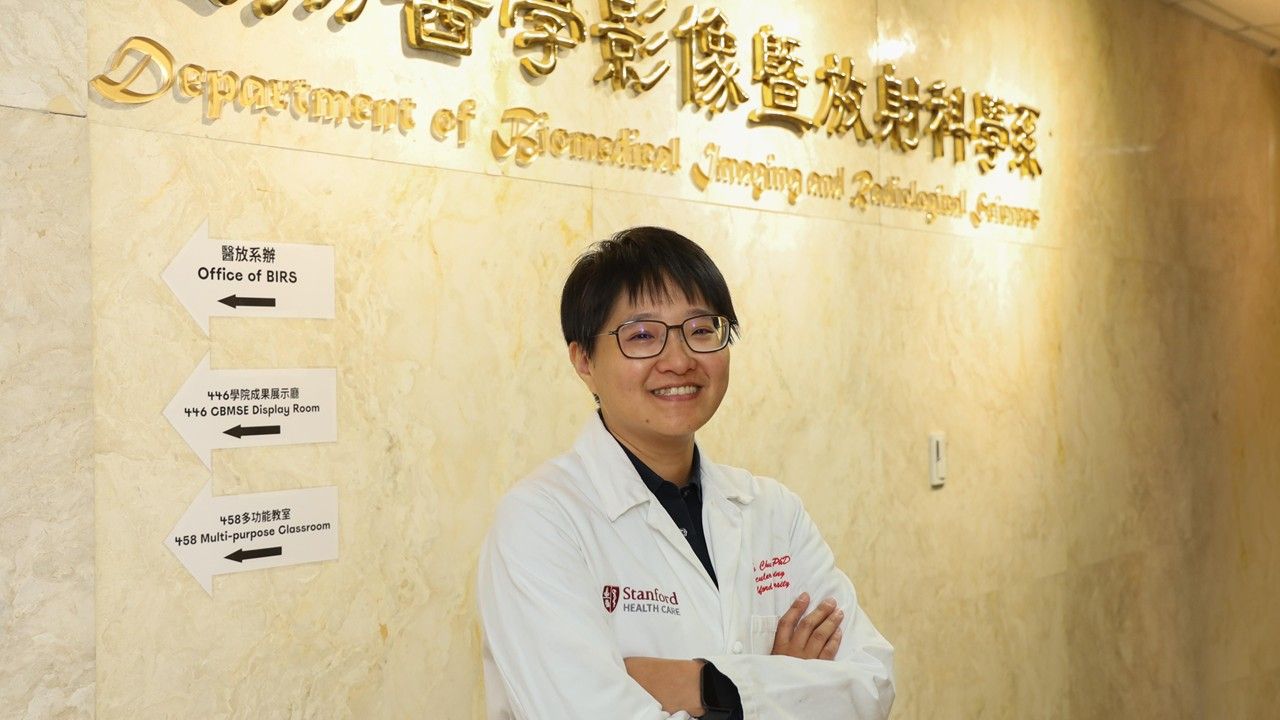
The faculty’s expertise spans medical physics, radiotherapy, diagnostic imaging, nuclear medicine, and AI medical image analysis. From molecular levels to clinical applications, they are constructing a comprehensive blueprint for radiation medicine. Among them, Associate Professor Hui-Yen Chuang offers a unique research perspective to answer a fundamental question: How can we make radiotherapy “more precise and more effective?”
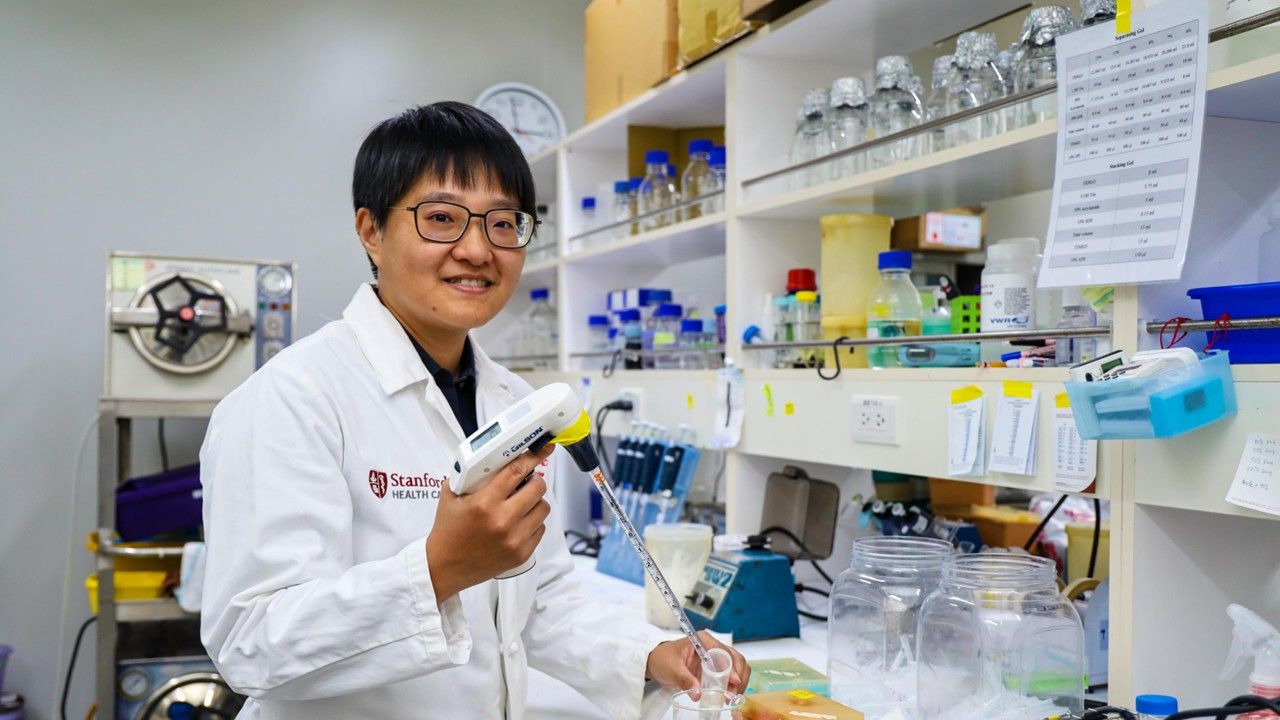
Her team combines radiobiology and immunology to explore “macrophage-carried nanoparticles” as a means to enhance localized radiotherapy while transforming the tumor immune microenvironment. Their findings, published in Materials Today Bio this August, open new possibilities for the integration of radiotherapy and immunomodulation.
Rooted in NYCU, Shining at NYCU
Joining the NYCU BIRS faculty in 2018, Dr. Chuang describes her relationship with the department as “a journey of reciprocity and legacy—from being nurtured as a student to returning as a teacher.”
She earned her bachelor’s, master’s, and doctoral degrees at NYCU BIRS. She recalls that the curriculum, spanning physics, biology, chemistry, and computer science, was both theoretical and practical. This cross-disciplinary integration fascinated her, and thanks to the department’s 5-year accelerated BA-MA program, she entered the research field early, sparking a 10-year bond with radiotherapy.
Her master’s research marked the beginning of this journey, focusing on “how to enhance the efficacy of radiotherapy”…

